The Surgery You Need is Just a Click Away

Book Now
Karetrip
  • Home
  • Departments

    UrologyNephrologyOncologyCardiology GastroenterologyBariatric SurgeryPulmonologyGeneral SurgeryDentistryDermatologyPlastic & Reconstructive surgeryEmergency MedicineInternal MedicineOphthalmologyCritical CareRheumatologySpine SurgeryRadiologyPsychiatry Laparoscopic SurgeryFertility and IVFENT (Ear, Nose, and Throat)OrthopaedicsHaematologyPhysical Medicine & Rehabilitation

    Treatments

    ProstatectomyNephrectomyCystectomyLithotripsyVasectomyPyeloplastyUreteroscopy (URS)Bladder Suspension Surgery
    Peritoneal DialysisRenal Artery AngioplastyExtracorporeal Shock Wave Lithotripsy (ESWL)ApheresisKidney TransplantHemodialysisImmunoglobulin TherapyPercutaneous Nephrostomy
    Breast CancerBasal Cell CancerMelanomaColon CancerLung CancerLeukemiaLymphomaProstate CancerLiver Cancer Blood Cancer
    Coronary Artery Bypass Grafting (CABG): Surgery, Cost & Top Hospitals in IndiaHeart TransplantAngioplasty in India: Stent Cost, Procedure & Top Hospitals Maze ProcedureMinimally Invasive Cardiac SurgeryAortic Aneurysm SurgeryAortic Valve ReplacementInsertion of Ventricular Assist Device (VAD)
    ColectomyAppendectomyEndoscopic Retrograde Cholangiopancreatography (ERCP)Gastric Bypass SurgeryLiver TransplantationHernia SurgeryGallbladder Removal SurgeryIrritable Bowel SyndromeLiver Resection SurgerySigmoidoscopyCeliac DiseaseGastroesophageal Reflux Disease (GERD)
    Gastric Bypass SurgeryAppendix SurgeryWhipple SurgerySleeve GastrectomyRoux-En-Y Gastric BypassGastric Balloon
    Root Canal TreatmentOral and Maxillofacial SurgeryImplantology Cosmetic DentistryOrthodonticsPedodonticsTooth WhiteningEndodontics
    Abdominoplasty LiposuctionRhinoplastyBreast Enlargement & ReductionCosmetic Plastic Surgery
    Cataract SurgeryGlaucoma TreatmentRetinal Detachment SurgeryCornea TransplantEye Muscle SurgeryVitrectomyICL Implantation SurgeryLASIK
    Rheumatoid ArthritisOsteoarthritisGoutLupus DermatomyositisJuvenile Dermatomyositis (JDM)SclerodermaSpondyloarthropathies
    Head and Neck SurgeryThyroidectomy SurgerySpeech TherapyMaxillary Sinus EndoscopyEar InfectionEardrum Repair TreatmentRhinologyThrombectomy
    Knee Replacement Surgery in IndiaSpinal Fusion SurgeryArthroscopyACL ReconstructionShoulder Replacement SurgeryHand and Wrist SurgeryFoot and Ankle SurgeryHip Replacement Surgery in India: Cost, Recovery & Top Hospitals Robotic Total Knee Replacement
  • Doctors
  • Hospitals
  • Blog
Talk to Rua
Home
Urology
ProstatectomyNephrectomyCystectomyLithotripsyVasectomyPyeloplastyUreteroscopy (URS)Bladder Suspension Surgery
Nephrology
Peritoneal DialysisRenal Artery AngioplastyExtracorporeal Shock Wave Lithotripsy (ESWL)ApheresisKidney TransplantHemodialysisImmunoglobulin TherapyPercutaneous Nephrostomy
Oncology
Breast CancerBasal Cell CancerMelanomaColon CancerLung CancerLeukemiaLymphomaProstate CancerLiver Cancer Blood Cancer
Cardiology
Coronary Artery Bypass Grafting (CABG): Surgery, Cost & Top Hospitals in IndiaHeart TransplantAngioplasty in India: Stent Cost, Procedure & Top Hospitals Maze ProcedureMinimally Invasive Cardiac SurgeryAortic Aneurysm SurgeryAortic Valve ReplacementInsertion of Ventricular Assist Device (VAD)
Gastroenterology
ColectomyAppendectomyEndoscopic Retrograde Cholangiopancreatography (ERCP)Gastric Bypass SurgeryLiver TransplantationHernia SurgeryGallbladder Removal SurgeryIrritable Bowel SyndromeLiver Resection SurgerySigmoidoscopyCeliac DiseaseGastroesophageal Reflux Disease (GERD)
Bariatric Surgery
Gastric Bypass SurgeryAppendix SurgeryWhipple SurgerySleeve GastrectomyRoux-En-Y Gastric BypassGastric Balloon
Pulmonology
General Surgery
Dentistry
Root Canal TreatmentOral and Maxillofacial SurgeryImplantology Cosmetic DentistryOrthodonticsPedodonticsTooth WhiteningEndodontics
Dermatology
Plastic & Reconstructive surgery
Abdominoplasty LiposuctionRhinoplastyBreast Enlargement & ReductionCosmetic Plastic Surgery
Emergency Medicine
Internal Medicine
Ophthalmology
Cataract SurgeryGlaucoma TreatmentRetinal Detachment SurgeryCornea TransplantEye Muscle SurgeryVitrectomyICL Implantation SurgeryLASIK
Critical Care
Rheumatology
Rheumatoid ArthritisOsteoarthritisGoutLupus DermatomyositisJuvenile Dermatomyositis (JDM)SclerodermaSpondyloarthropathies
Spine Surgery
Radiology
Psychiatry
Laparoscopic Surgery
Fertility and IVF
ENT (Ear, Nose, and Throat)
Head and Neck SurgeryThyroidectomy SurgerySpeech TherapyMaxillary Sinus EndoscopyEar InfectionEardrum Repair TreatmentRhinologyThrombectomy
Orthopaedics
Knee Replacement Surgery in IndiaSpinal Fusion SurgeryArthroscopyACL ReconstructionShoulder Replacement SurgeryHand and Wrist SurgeryFoot and Ankle SurgeryHip Replacement Surgery in India: Cost, Recovery & Top Hospitals Robotic Total Knee Replacement
Haematology
Physical Medicine & Rehabilitation
Doctors
Hospitals
Blog
Talk to RUA →
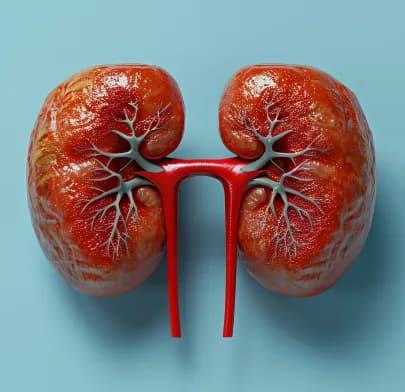
3D rendering of human kidneys with vascular detail, illustrating anatomy relevant to Nephrectomy in India.

Nephrectomy

Nephrectomy is the surgical removal of a kidney, often due to cancer, severe infection, or an injury. It can be partial or complete. Minimally invasive techniques like laparoscopy are common, reducing recovery time. Risks include bleeding, infection, and damage to nearby organs. Aftercare involves pain management and monitoring kidney function.

tickEasy Medical Visa Approvals

tickTravel Booking Assistance

tickComprehensive Treatment Plans

tickMulti-Language Support

Book Your Consultation

Nephrectomy is the surgical removal of a kidney, often due to cancer, severe infection, or an injury. It can be partial or complete. Minimally invasive techniques like laparoscopy are common, reducing recovery time. Risks include bleeding, infection, and damage to nearby organs. Aftercare involves pain management and monitoring kidney function.

Symptoms Of Nephrectomy

Symptoms

Flank Pain
Hematuria
Fatigue
Swelling

Types of conditions

There are five main types of Nephrectomy

Partial Nephrectomy

Simple Nephrectomy

Radical Nephrectomy

Laparoscopic Nephrectomy

Robotic-Assisted Nephrectomy

Partial Nephrectomy

Request a Call Back

Your journey to good health begins here

Accredited Hospitals

Nationally accredited hospitals for high-quality care

Multi-language Support

Convey your needs in the language you're most comfortable in

Travel Booking Assistance

Seamless booking assistance for your healthcare journey

Medical Assistant
Online Now · Always Free

Your Medical Assistant

Get instant help planning your treatment in India

I want to know more about Nephrectomy in India

India's Best Hospitals are Partnered With Karetrip

Access World-Class facilities from top Hospitals across India

Fortis Hospital, Anandapur
Fortis Hospital, AnandapurKolkata
Book Now
Fortis Hospital, Noida
Fortis Hospital, NoidaNoida
Book Now
Fortis Hospital, Ludhiana
Fortis Hospital, LudhianaLudhiana
Book Now
Indraprastha Apollo Hospital
Indraprastha Apollo HospitalDelhi
Book Now
Yashoda Hospitals, Somajiguda
Yashoda Hospitals, SomajigudaHyderabad
Book Now
Fortis Hospital, Shalimar Bagh
Fortis Hospital, Shalimar BaghDelhi
Book Now
Apollo Hospitals, Greams Road
Apollo Hospitals, Greams RoadChennai
Book Now
Fortis Escorts Heart Institute
Fortis Escorts Heart InstituteDelhi
Book Now
Artemis Hospital
Artemis HospitalGurugram
Book Now
Fortis Memorial Research Institute
Fortis Memorial Research InstituteGurugram
Book Now
View More >>

Consult with India's most experienced doctors

Experience premium care from India's leading specialists
Dr. C Chinnaswami

Dr. C Chinnaswami

Urologist and Renal Transplant Specialist

47+ Years Of Experience

Book AppointmentBook now
Dr. Rajinder Yadav

Cost Estimation

Learn about the expenses involved in the procedure and what factors affect them.

Get Cost Estimation

The average cost of the Nephrectomy in India is around ₹ 70,000 to ₹5,00,000.

₹5,00,000

High Cost

₹ 2,00,000

Average Cost

₹ 70,000

Low Cost

The LIST of AVERAGE COST of the Nephrectomy across TOP 7 cities in India in Indian Rupee (INR) is as follows :

City

Lowest Cost

Average Cost

Highest Cost

Maharashtra

₹ 1,00,000

₹ 2,00,000

₹ 3,00,000

Delhi

₹ 80,000

₹ 1,00,000

₹ 2,50,000

Tamil Nadu

₹ 90,000

₹ 1,00,000

₹ 2,50,000

Karnataka

₹ 1,00,000

₹ 2,00,000

₹ 3,00,000

Uttar Pradesh

₹ 70,000

₹ 1,00,000

₹ 2,00,000

Gujarat

₹ 80,000

₹ 1,00,000

₹ 2,50,000

West Bengal

₹ 70,000

₹ 1,00,000

₹ 2,00,000

Commonly Asked Questions

Know More About Nephrectomy

What is nephrectomy?

"I had a successful surgery at Fortis Escorts Hospital, and it was all thanks to Karetrip's help in finding the right hospital for me. The entire process was smooth and stress-free, with Karetrip handling all the arrangements and answering any questions I had. The medical team at the hospital was outstanding, and the facilities were top-notch. I highly recommend Karetrip to anyone looking for a tension-free healthcare experience."

Read More

Fatima

Chattogram

"Thanks to Karetrip, I got connected with MAX Hospital in New Delhi. The team guided me through every step – from finding the right doctor to handling travel and visas. They made a daunting process feel like a breeze. The care I received at MAX Hospital was outstanding, and I can't thank Karetrip enough for making it possible. They truly put patients first and go the extra mile to ensure a smooth healthcare journey. I'm grateful beyond words!"

Read More

Hasan

Dhaka

"At first, I was unsure about having a medical procedure done in a foreign country. However, Karetrip's team at Indraprastha Apollo Hospital made me feel much better. The hospital was very clean, modern, and had everything they needed to help me. The staff were very kind and did everything they could to make me feel comfortable. I'm really happy with how my treatment turned out, and I appreciate Karetrip for making it easy and stress-free."

Read More

Imran

Sylhet

Google Reviews4.9/5

I had a successful surgery at Fortis Escorts Hospital, and it was all thanks to Karetrip's help in finding the right hospital for me. The entire process was smooth and stress-free, with Karetrip handling all the arrangements and answering any questions I had. The medical team at the hospital was outstanding, and the facilities were top-notch. I highly recommend Karetrip to anyone looking for a tension-free healthcare experience.

Fatima

Chattogram

Google Reviews4.9/5


About
Hospitals
Doctors
Cost Estimation
FAQs

Begin Your Medical Journey
to India Today

Talk to RUAFind Doctors in IndiaGet Free Treatment Guidance

Personalised Treatment Plans

A treatment journey tailored to all your preferences and needs

Unparalleled Hospitality

Experience exceptional hospitality during your stay

Easy Medical Visa Approvals

Dedicated assistance for medical visa requirements

What is the cost of Nephrectomy in India?
Can you help me find a doctor for Nephrectomy?
40+
Countries Served
24×7
Always Available
8+
Languages

Dr. Rajinder Yadav

Urologist

45+ Years Of Experience

Book Appointment
Book now
Dr. Reji K Varghese

Dr. Reji K Varghese

Urologist

18+ Years Of Experience

Book AppointmentBook now
Dr. Amitava Mukherjee

Dr. Amitava Mukherjee

Urologist

22+ Years Of Experience

Book AppointmentBook now
Dr. Anup Gulati

Dr. Anup Gulati

Urologist

26+ Years Of Experience

Book AppointmentBook now
Dr. Himadri Pathak

Dr. Himadri Pathak

General Surgery

36+ Years Of Experience

Book AppointmentBook now

How is nephrectomy performed?

What are the reasons for nephrectomy?

What are the risks associated with nephrectomy?

What is recovery like after nephrectomy?

Can a person live with one kidney after nephrectomy?

thinking character

Do you still have a query?

Ask Question
Rated 4.9/5 by 1,247 patients
80+ countries served
NABH hospital network
Available 24/7
No upfront consultation fee

In this procedure, only the diseased or affected part of the kidney is removed, preserving the healthy portion. It is often preferred when feasible to maintain kidney function, particularly for patients with small kidney tumors or certain kidney conditions.

The cost of nephrectomy in India can vary widely depending on factors such as the type of nephrectomy (partial, simple, radical), the hospital or medical facility chosen, the surgeon's fees, the need for additional tests or procedures, and any post-operative care required.

On average, the cost of Nephrectomy in India ranges from ₹1,00,000 to ₹5,00,000 for a simple or partial nephrectomy. However, this estimate is indicative and can vary significantly based on individual circumstances and the specific requirements of the procedure.

TREATMENT OPTIONS

  • Medication: Prescribed to manage symptoms like pain, infection, and high blood pressure associated with kidney conditions.

  • Lifestyle Changes: Incorporate dietary adjustments, exercise, and weight management to support kidney health.

  • Interventions: Surgical procedures such as nephrectomy for severe cases, or dialysis for kidney failure.

  • Monitoring: Regular check-ups and tests to assess kidney function and adjust treatment as needed.

WHEN DO YOU NEED NEPHRECTOMY

Nephrectomy is the surgical removal of one or both kidneys. Depending on the reason for the nephrectomy (such as kidney cancer, severe kidney damage, or organ donation), the symptoms experienced before and after the procedure can vary. Here are some potential symptoms associated with nephrectomy:

Before Nephrectomy:

  • Underlying Kidney Disease Symptoms: If the nephrectomy is performed due to a pre-existing kidney condition, symptoms such as blood in the urine (hematuria), proteinuria (protein in the urine), high blood pressure (hypertension), and decreased kidney function may be present.
  • Pain or Discomfort: If the nephrectomy is necessary due to kidney cancer or a large tumor, the affected individual may experience pain or discomfort in the area of the affected kidney.

After Nephrectomy:

  • Pain and Discomfort: Following nephrectomy, patients commonly experience pain and discomfort at the surgical site. Pain management medications are typically prescribed to help manage this.
  • Fatigue: It's common to experience fatigue and weakness after surgery as the body recovers from the procedure and adjusts to the loss of one kidney's function.
  • Changes in Urination: Patients may notice changes in urination patterns, such as increased or decreased urine output, or changes in the appearance of urine. These changes typically normalize as the remaining kidney compensates for the loss of the removed kidney.
  • Risk of Infection: There is a risk of infection at the surgical site or in the urinary tract following nephrectomy. Symptoms of infection may include fever, chills, increased pain, and abnormal discharge from the surgical site.
  • Adjustment to One Kidney: If one kidney is removed, the remaining kidney will need to compensate for the lost function. Most people can live a healthy life with one kidney, but it's essential to follow medical advice for kidney health and undergo regular check-ups to monitor kidney function.

DIAGNOSIS

  • Medical History: Discussion of symptoms, medical history, and risk factors
  • Physical Examination: Examination for signs like swelling or tenderness.
  • Blood Tests: Assess kidney function via serum creatinine, blood urea nitrogen (BUN), and electrolyte levels.
  • Urinalysis: Examination of urine for abnormalities like blood, protein, or infection.
  • Imaging: CT scan, MRI, or ultrasound to visualize kidney structure and identify abnormalities like tumors or stones.
  • Biopsy: Removal of a small kidney tissue sample for examination under a microscope to diagnose conditions like cancer or inflammation.
  • Other Tests: Additional tests like renal function tests, kidney ultrasound, or X-rays may be conducted based on symptoms and initial results.

CAUSES/ RISK FACTORS

  • Chronic Conditions: Diabetes and high blood pressure can damage kidneys over time.
  • Family History: Genetic predisposition increases risk of kidney disease.
  • Age: Risk increases with age, particularly over 60.
  • Obesity: Excess weight strains kidneys and raises blood pressure.
  • Smoking: Increases risk of kidney cancer and impairs kidney function.
  • Certain Medications: Long-term use of NSAIDs, antibiotics, and others can harm kidneys.
  • Kidney Stones: The formation of mineral deposits in kidneys can cause blockages and damage.
  • Infections: Severe or recurrent urinary tract infections can damage kidneys.
  • Toxic Exposures: Chemicals like lead, cadmium, or certain solvents can harm kidneys.

PREPARING FOR SURGERY

  • Medical Evaluation: Assess overall health and any pre-existing conditions.
  • Tests: Blood tests, urinalysis, imaging scans, and electrocardiogram (ECG) may be performed.
  • Medication Review: Adjustments to medications, especially blood thinners, may be necessary.
  • Fasting: Typically required for several hours before surgery to prevent complications.
  • Hygiene: Showering with antibacterial soap before surgery to reduce infection risk.
  • Pre-Op Instructions: Follow specific instructions regarding diet, medications, and lifestyle.
  • Arrangements: Arrange transportation to and from the hospital, and for assistance post-surgery if needed.
  • Support System: Inform family or friends for emotional support and practical assistance.
  • Advance Directives: Discuss and complete any advance directives or legal paperwork as necessary.
  • Consultation: Discuss the procedure, risks, and expectations with the surgeon.
  • Follow-Up: Ensure follow-up appointments are scheduled for post-operative care and monitoring.

TREATMENT DETAILS

Types

  • Medication: Prescribed to manage symptoms and underlying causes, such as infection or inflammation.
  • Lifestyle Changes: Includes dietary modifications, exercise, and weight management to support kidney health.
  • Minimally Invasive Procedures: Techniques like lithotripsy to break up kidney stones or cyst aspiration for cysts.
  • Dialysis: Hemodialysis or peritoneal dialysis to filter waste and excess fluid from the blood in case of kidney failure.
  • Nutritional Therapy: Collaborating with a dietitian to develop a kidney-friendly diet, especially for advanced kidney disease.
  • Monitoring and Management: Regular check-ups and monitoring of kidney function, blood pressure, and overall health to detect and manage complications early.

Technology used/ Facilities available

  • Advanced Imaging: MRI, CT scans, and ultrasound for accurate diagnosis and monitoring of kidney conditions.
  • Minimally Invasive Surgery: Laparoscopic and robotic-assisted techniques for nephrectomy, kidney stone removal, and other procedures, reducing recovery time and complications.
  • Dialysis Centers: Hemodialysis and peritoneal dialysis facilities widely available across the country for managing kidney failure.
  • Transplantation Centers: Specialized centers offering kidney transplantation from both living and deceased donors, with advanced surgical techniques and post-operative care.
  • Telemedicine: Increasingly used for remote consultations, follow-ups, and monitoring of kidney patients, improving access to specialized care, particularly in rural areas.
  • Research and Innovation: Ongoing research in nephrology focusing on innovative treatments, drug development, and technology adoption to improve kidney care outcomes.
  • Patient Education and Support: Comprehensive patient education programs, support groups, and online resources to empower individuals in managing kidney health and making informed treatment decisions.

Recovery

  • Hospital Stay: Typically, a few days to a week in the hospital post-surgery for monitoring and pain management.
  • Pain Management: Medications prescribed to manage pain and discomfort during the recovery period.
  • Activity Restrictions: Limited physical activity initially, gradually increasing as advised by the healthcare provider.
  • Wound Care: Proper care of surgical incisions or wounds to prevent infection and promote healing.

Nephrectomy is a surgical procedure to remove one or both kidneys, often performed to treat kidney cancer, severe kidney damage, or organ donation.

Nephrectomy can be done through open surgery or minimally invasive techniques such as laparoscopy or robotic-assisted surgery.

Nephrectomy may be necessary to treat kidney cancer, remove a diseased or non-functioning kidney, or for living kidney donation.

Risks of nephrectomy include bleeding, infection, injury to nearby organs, and potential complications related to anaesthesia.

Recovery varies depending on the type of surgery and individual health but typically involves pain management, monitoring for complications, and a gradual return to normal activities.

Yes, most people can lead healthy lives with one kidney, as the remaining kidney compensates for the lost function. Regular check-ups are important to monitor kidney health.

Karetrip

HEALKARE PRIVATE LIMITED

39/2475-B1, H13 LR TOWERS, SJRRA 104, SOUTH JANATHA, Palarivattom, Ernakulam, Ernakulam- 682025, Kerala

USA

251, Little Falls Drive, Wilmington, New Castle Country, Delaware, US – 19808

Popular Topics

UrologyNephrologyOncologyCardiologyGastroenterologyBariatric Surgery

Doctors

Doctors in BangaloreDoctors in KochiDoctors in DelhiDoctors in HyderabadDoctors in KolkataDoctors in AhmedabadView More »

Quick Links

Terms & ConditionsData Privacy PolicyDisclaimer PolicySitemapOur Services

About

About UsOur BlogsPatient Testimonials

Visit : karetrip.com.

©2023 karetrip.com All Rights Reserved.